
BLOG
Wormsilk: The Evolution of Digital Storytelling in a Platform-Driven Culture

Wormsilk is emerging as a modern digital concept that reflects the transformation of storytelling in the age of platform-driven culture. As audiences increasingly engage with content across social media, streaming services, and interactive platforms, Wormsilk represents the evolution of narrative into immersive, participatory, and culturally aware digital experiences. It highlights how creators, communities, and platforms shape stories collaboratively, redefining the way identity and culture are expressed online.
This article explores the meaning of Wormsilk, its philosophical foundation, and its role in evolving digital storytelling in a platform-centric environment.
What Does Wormsilk Mean?
Wormsilk can be understood as a conceptual framework where digital storytelling is shaped by community, platform norms, and participatory engagement. It emphasizes adaptive narratives, interactive experiences, and identity-driven content.
In a broader sense, Wormsilk represents:
- Platform-driven storytelling
- Interactive and immersive narrative experiences
- Community-influenced content creation
- Adaptive digital identity through narrative
- Cross-platform engagement and cultural awareness
Rather than passive content consumption, Wormsilk promotes active participation and collaborative narrative construction.
The Philosophy Behind Wormsilk
The concept of Wormsilk is built around three core principles:
Adaptive Storytelling
Wormsilk emphasizes that narratives evolve in response to audience engagement, platform dynamics, and cultural context.
Community as Narrative Catalyst
Stories are shaped by communities. Feedback, collaboration, and interaction are central to meaningful digital storytelling.
Platform Awareness
Each platform offers unique opportunities and limitations. Wormsilk encourages creators to adapt stories to fit different ecosystems effectively.
Wormsilk in Platform-Driven Culture
Modern digital culture thrives on interaction, immediacy, and community participation. Wormsilk aligns with these trends by promoting:
- Collaborative story creation and sharing
- Interactive narrative experiences
- Cross-platform storytelling integration
- Identity-driven content development
- Cultural context and platform-aware communication
This approach ensures storytelling remains relevant, engaging, and participatory in a digital-first world.
The Evolution of Wormsilk
Wormsilk reflects broader shifts in digital storytelling:
Early Stage: Static Content
Content was primarily one-way, with minimal audience engagement.
Transitional Stage: Social Sharing and Interaction
Audiences began influencing narrative through comments, feedback, and collaborative creation.
Modern Stage: Platform-Driven Narrative
Wormsilk represents storytelling integrated with platforms, communities, and interactive engagement, where identity and narrative co-evolve.
Why Wormsilk Matters Today
Wormsilk addresses key challenges in contemporary digital culture:
- Oversaturation of content without meaningful engagement
- Fragmented narratives across platforms
- Need for interactive and participatory storytelling
- Demand for identity-driven, culturally aware narratives
By emphasizing community, platform adaptation, and interactivity, Wormsilk provides a framework for sustainable digital storytelling.
Wormsilk and Content Creators
Content creators benefit from Wormsilk’s because it encourages:
- Narrative experimentation and creativity
- Audience-driven storytelling
- Multi-platform integration
- Identity-informed content development
This approach transforms storytelling from static content into dynamic, evolving experiences.
Wormsilk and Community Engagement
Community plays a central role in Wormsilk’s . It promotes:
- Collaborative story development
- Feedback-informed narrative evolution
- Shared cultural experiences
- Interactive participation
This participatory model strengthens relationships and fosters a vibrant digital storytelling ecosystem.
The Future of Wormsilk
As digital culture continues to evolve, Wormsilk’s may influence:
- Immersive and interactive storytelling formats
- Cross-platform narrative strategies
- Community-centered content ecosystems
- Identity-driven and culturally aware digital narratives
Its adaptive and participatory nature ensures ongoing relevance.
Conclusion
Wormsilk represents the evolution of digital storytelling in a platform-driven culture. By emphasizing adaptive narratives, community participation, and platform-aware engagement, it transforms online storytelling into an immersive, interactive, and culturally resonant experience. Wormsilk’s offers a valuable framework for creators, communities, and organizations navigating the modern digital narrative landscape.
FAQ’s
1. What is Wormsilk’s ?
Wormsilk’s is a digital concept focusing on platform-driven, interactive storytelling and community engagement.
2. How does Wormsilk’s shape digital storytelling?
It promotes adaptive narratives shaped by audience participation, platform dynamics, and cultural context.
3. Who can benefit from Wormsilk’s ?
Content creators, online communities, brands, and digital storytellers seeking meaningful engagement.
4. Is Wormsilk’s tied to a specific platform?
No, it applies across multiple digital ecosystems.
5. Why is Wormsilk’s relevant today?
Because modern digital culture values interactivity, community-driven content, and adaptive storytelling.
In the digital age of online reading platforms, Lectortmo has become a widely searched name among fans of comics, manga, and illustrated storytelling. It is commonly associated with websites that provide access to translated manga and webtoons, making it part of the broader global trend of digital comic consumption.
However, understanding what Lectortmo is—and what it is not—is important for safe and informed use of online reading platforms.
What Is Lectortmo?
Lectortmo is generally known as a manga and webtoon reading platform where users can browse and read translated comic content online. It is often discussed in connection with:
- Manga chapters translated into Spanish
- Webtoons and digital comics
- Community-driven content sharing
Rather than being an official publisher, it is typically considered part of the unofficial online reading ecosystem.
Why Platforms Like Lectortmo Became Popular
The rise of Lectortmo reflects global demand for accessible digital content. Several factors contributed to its popularity:
1. Easy Access to Content
Users can quickly read comics without needing physical copies.
2. Language Accessibility
Translations make Japanese and Korean content available to Spanish-speaking audiences.
3. Large Content Libraries
Such platforms often host extensive collections across genres.
4. Global Manga & Webtoon Boom
The popularity of manga and webtoons has increased massively worldwide.
How Lectortmo Fits Into Digital Reading Culture
Platforms like Lectortmo are part of a larger ecosystem that includes official services such as Manga Plus and Webtoon.
This ecosystem includes two main categories:
- Official platforms (licensed and authorized)
- Unofficial platforms (community-uploaded or aggregated content)
Lectortmo is often discussed in the second category.
Legal and Ethical Considerations
It is important to understand that many unofficial reading platforms may not have proper licensing for all the content they host.
Potential concerns include:
- Copyright issues
- Lack of creator compensation
- Content distribution without authorization
- Unstable availability of chapters or sites
Supporting official platforms ensures that artists and creators are fairly rewarded for their work.
Safety Considerations
When using any unofficial reading site, users should be cautious of:
1. Pop-up Ads
Some sites may contain aggressive advertising.
2. Malware Risks
Unverified links can sometimes lead to harmful downloads.
3. Privacy Concerns
Tracking scripts may collect user data.
4. Site Instability
Domains may change or disappear without notice.
Why Lectortmo Trends Online
Lectortmo continues to appear in search trends because:
- Fans search for free or early-access manga
- Communities share links across forums
- Demand for translated content remains high
- SEO-driven traffic keeps the keyword active
This makes it part of a recurring digital search phenomenon.
Legal Alternatives for Reading Manga and Webtoons
For a safer and more reliable experience, readers can use official services such as:
- Manga Plus – official Shueisha manga releases
- Webtoon – licensed webtoon content
These platforms offer:
- High-quality translations
- Legal access to creators’ work
- Safe browsing environments
- Regular updates and official releases
The Bigger Picture
Lectortmo highlights a major shift in entertainment culture:
- Growing global demand for manga and webtoons
- Desire for instant and free digital access
- Ongoing tension between official and unofficial distribution
It reflects how digital readers balance convenience, accessibility, and ethics.
Conclusion
Lectortmo is part of the broader world of online manga reading platforms that gained popularity due to accessibility and global demand for translated comics. While it offers easy access to content, users should remain aware of legal, ethical, and security considerations.
For the best experience and support for creators, official platforms like Manga Plus and Webtoon remain the most reliable choices.
FAQ’s
1. What is Lectortmo?
It is commonly known as an online platform for reading translated manga and webtoons.
2. Is Lectortmo an official site?
It is generally considered an unofficial reading platform.
3. Why is Lectortmo popular?
Because it provides easy access to translated manga and webtoon content.
4. Is it safe to use Lectortmo?
Unofficial sites may carry risks such as ads, tracking, or unstable access.
5. What are legal alternatives?
Official platforms like Manga Plus and Webtoon are recommended.
In the constantly evolving digital entertainment landscape, names like Dizipal 552 often appear in online discussions, searches, and social media. These terms usually refer to streaming-related platforms or mirror domains that gain attention due to trending media consumption habits.
However, it’s important to understand what such identifiers represent, how they function, and the risks associated with them.
What Is Dizipal 552?
Dizipal 552 is commonly used as a versioned or mirror-style identifier linked to online streaming websites that host or index movies and TV content. The number “552” typically indicates:
- A specific domain iteration or update
- A mirror site version
- A rotating access point used to stay online
These types of sites often change domains frequently to remain accessible.
Why Do Sites Like Dizipal Use Numbered Versions?
Platforms using names like Dizipal 552 often rely on changing numeric suffixes because:
1. Domain Blocking Avoidance
When one domain is restricted or taken down, new versions appear quickly.
2. Continuous Access
Users are redirected to updated links without losing access to content.
3. Search Engine Visibility
Multiple versions help maintain visibility in search results.
How Users Typically Encounter Dizipal 552
People usually come across terms like Dizipal 552 through:
- Search engine queries for movies or series
- Social media recommendations
- Forums discussing streaming access
- Redirect links from older domains
This creates a cycle where new versions constantly surface online.
Important Legal and Safety Considerations
It is important to approach platforms like Dizipal 552 with caution. Many such sites operate in a legal gray area or without proper licensing for distributing copyrighted content.
Potential risks include:
- Copyright infringement issues
- Exposure to intrusive ads or pop-ups
- Malware or phishing attempts
- Unstable or unreliable access
For safe viewing, it is always recommended to use licensed streaming services.
Legal Streaming Alternatives
Instead of relying on unstable mirror sites, users can consider official platforms such as:
- Netflix
- Amazon Prime Video
- Disney+
These platforms offer:
- High-quality video streaming
- Legal and safe access to content
- Reliable servers and updates
- No security risks from unknown links
Why Terms Like Dizipal 552 Trend
Even without official branding, terms like Dizipal 552 gain traction due to:
- High demand for free streaming content
- Frequent domain changes creating curiosity
- Online word-of-mouth sharing
- SEO-driven search behavior
This makes them temporary but highly searchable keywords.
Risks of Using Unverified Streaming Sites
Users should be aware of several key risks:
1. Security Threats
Unknown sites may contain harmful scripts or ads.
2. Privacy Concerns
Data tracking or unauthorized cookies may be used.
3. Unstable Access
Sites may disappear or change frequently.
4. Legal Exposure
Accessing copyrighted content without permission may violate local laws.
The Bigger Picture
Dizipal 552 reflects a broader trend in digital media consumption:
- Rising demand for instant entertainment
- Fragmentation of streaming platforms
- User frustration with subscription overload
- Constant evolution of unofficial streaming networks
This shows how technology and user behavior continuously reshape the entertainment ecosystem.
Conclusion
Dizipal 552 is best understood as part of a larger pattern of unofficial streaming domain cycles, rather than a stable platform. While it may attract attention due to accessibility and trending searches, users should remain aware of the legal, security, and reliability risks involved.
For a safer and more consistent experience, licensed streaming services remain the most reliable option for modern digital entertainment.
FAQ’s
1. What is Dizipal 552?
It is commonly associated with a versioned or mirror streaming website domain.
2. Why does the number 552 appear?
It typically indicates a site version or updated mirror domain.
3. Is Dizipal 552 legal?
Many similar platforms operate without official licensing, which may raise legal concerns.
4. Is it safe to use?
Unverified streaming sites can pose security and privacy risks.
5. What are safer alternatives?
Licensed platforms like Netflix and Amazon Prime Video are recommended.
In today’s hyper-connected world, attention is a currency. Every scroll, click, and tap represents a fleeting moment that brands, creators, and organizations strive to capture. In this environment, traditional methods of digital marketing and online presence are no longer sufficient. Permanentad emerges as a new paradigm—a language of digital presence designed to thrive in the age of continuous attention.
What is Permanentad?
Permanentad is a conceptual and practical framework for establishing a lasting digital identity. Unlike conventional advertising that fades after a campaign ends, Permanentad emphasizes permanence, relevance, and continuous engagement. It is about creating a digital presence that persists, evolves, and resonates over time, keeping audiences engaged long after their first interaction.
The framework recognizes that attention spans are limited, but meaningful digital experiences can extend engagement. It focuses on strategic storytelling, interactive engagement, and consistent identity building, allowing brands and individuals to remain memorable in an age of information overload.
Core Principles of Permanentad
1. Lasting Digital Presence
Permanentad encourages the creation of content and experiences that endure beyond momentary trends. This involves maintaining consistency in messaging, visuals, and values, ensuring that your digital footprint is recognizable and meaningful across platforms.
2. Storytelling That Resonates
At the heart of Permanentad is storytelling. It leverages narratives that connect with audiences on a personal and emotional level. This can include blogs, videos, interactive media, and campaigns that reflect authenticity and creativity. Well-crafted stories not only attract attention but retain it, establishing a lasting impression.
3. Continuous Engagement
In the era of continuous attention, sporadic content is insufficient. Permanentad emphasizes ongoing interaction with audiences through comments, live sessions, interactive tools, and community-driven initiatives. By maintaining a dialogue, it transforms passive viewers into active participants.
4. Data-Driven Optimization
Permanentad integrates analytics to understand audience behavior and refine strategies. Insights into engagement patterns, content performance, and user interactions allow creators to adapt their approach, ensuring relevance and maximizing impact.
5. Adaptable Identity
Digital landscapes evolve rapidly. Permanentad prioritizes flexibility, enabling users to adapt their messaging and identity while staying true to core values. This ensures resilience in the face of changing trends and audience expectations.
Benefits of Implementing Permanentad
- Stronger Brand Recall: By creating consistent, memorable experiences, Permanentad ensures your brand or identity remains recognizable.
- Deeper Audience Connections: Engaging stories and interactive experiences foster trust and loyalty.
- Long-Term Engagement: Continuous presence strategies keep audiences connected beyond individual campaigns.
- Actionable Insights: Analytics guide decision-making, enhancing the effectiveness of your digital strategy.
- Community Building: Encourages participation and dialogue, transforming audiences into advocates.
Applications Across Sectors
Permanentad is versatile and can be applied in various contexts:
- Brands and Businesses: Establish enduring digital identities that build loyalty and credibility.
- Content Creators: Craft immersive narratives that engage followers beyond superficial metrics.
- Educational Platforms: Maintain ongoing engagement with students and learners through persistent content and interaction.
- Nonprofits and Communities: Build a lasting presence to foster awareness, participation, and advocacy.
How to Leverage Permanentad Effectively
- Define Core Values: Understand your brand or personal identity and the message you want to convey.
- Craft Timeless Content: Focus on storytelling that remains relevant and impactful over time.
- Engage Continuously: Use interactive tools and community-building strategies to maintain dialogue.
- Measure and Adapt: Track analytics to refine content, engagement, and digital strategies.
- Maintain Consistency: Ensure your messaging and visuals are coherent across all digital platforms.
FAQ’s
Q1: Is Permanentad suitable for small creators or only large brands?
Permanentad is adaptable to both. It provides strategies for individuals and organizations of any size to create lasting digital presence.
Q2: How does Permanentad differ from traditional digital marketing?
Unlike short-term campaigns, Permanentad focuses on continuity, storytelling, and long-term engagement rather than one-off impressions.
Q3: Do I need technical expertise to implement Permanentad?
No. While technical tools can enhance execution, Permanentad primarily relies on strategic planning, creativity, and audience-focused engagement.
Q4: Can Permanentad improve audience retention?
Yes. By creating meaningful, continuous interactions and memorable narratives, Permanentad helps retain attention and foster loyalty.
Q5: What metrics are most important in Permanentad?
Engagement depth, repeat interactions, content lifespan, audience growth, and community participation are key metrics.
Conclusion
In an age where attention is fragmented and fleeting, Permanentad offers a new language of digital presence. By prioritizing enduring content, meaningful storytelling, and continuous engagement, it empowers individuals and organizations to create digital identities that are not only visible but memorable. Permanentad transforms fleeting attention into lasting connection, ensuring that your digital presence is relevant, resilient, and impactful in the modern online ecosystem.
-
 TECH1 month ago
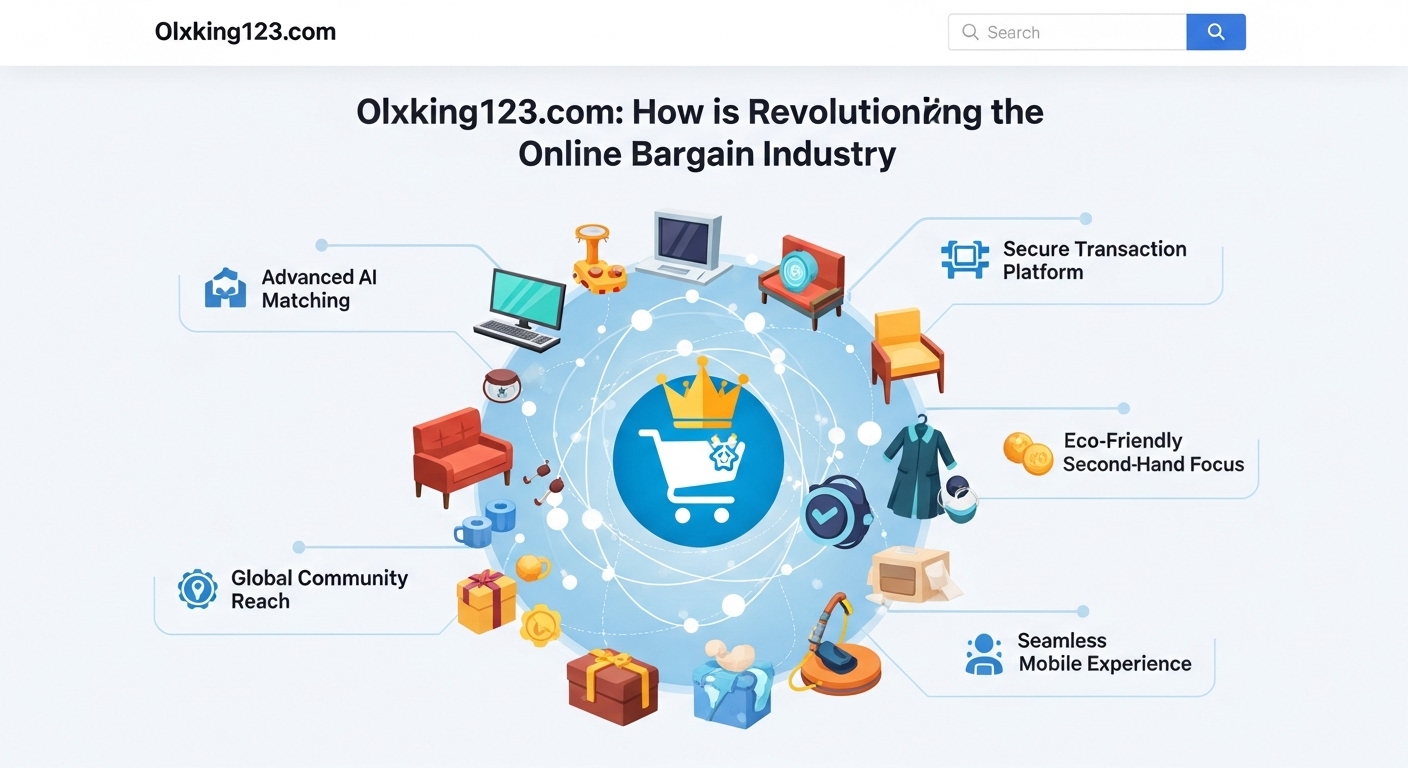
Olxking123.com: How is Revolutionizing the Online Bargain Industry
-
 BLOG1 month ago
Onulife: Your Ultimate Guide to a Healthier & Balanced Lifestyle
-

 HOME1 month ago
TopHillSport.com: A Growing Hub for Sports Enthusiasts
-

 TECH1 month ago
Deshoptec.com: The Ultimate Marketplace for Cutting-Edge Tech
-
 BLOG1 month ago
Exploring Gooics: Features, Benefits, and How It Works Now
-

 BLOG1 month ago
Cintia Coció: The Ultimate Guide to Her Modern Culinary World
-
 BLOG4 weeks ago
ChromiumFX: Advanced Analytics and AI for Smart Systems
-

 BLOG3 weeks ago
Why Runlia is the Next Big Thing in Online Communities