
BLOG
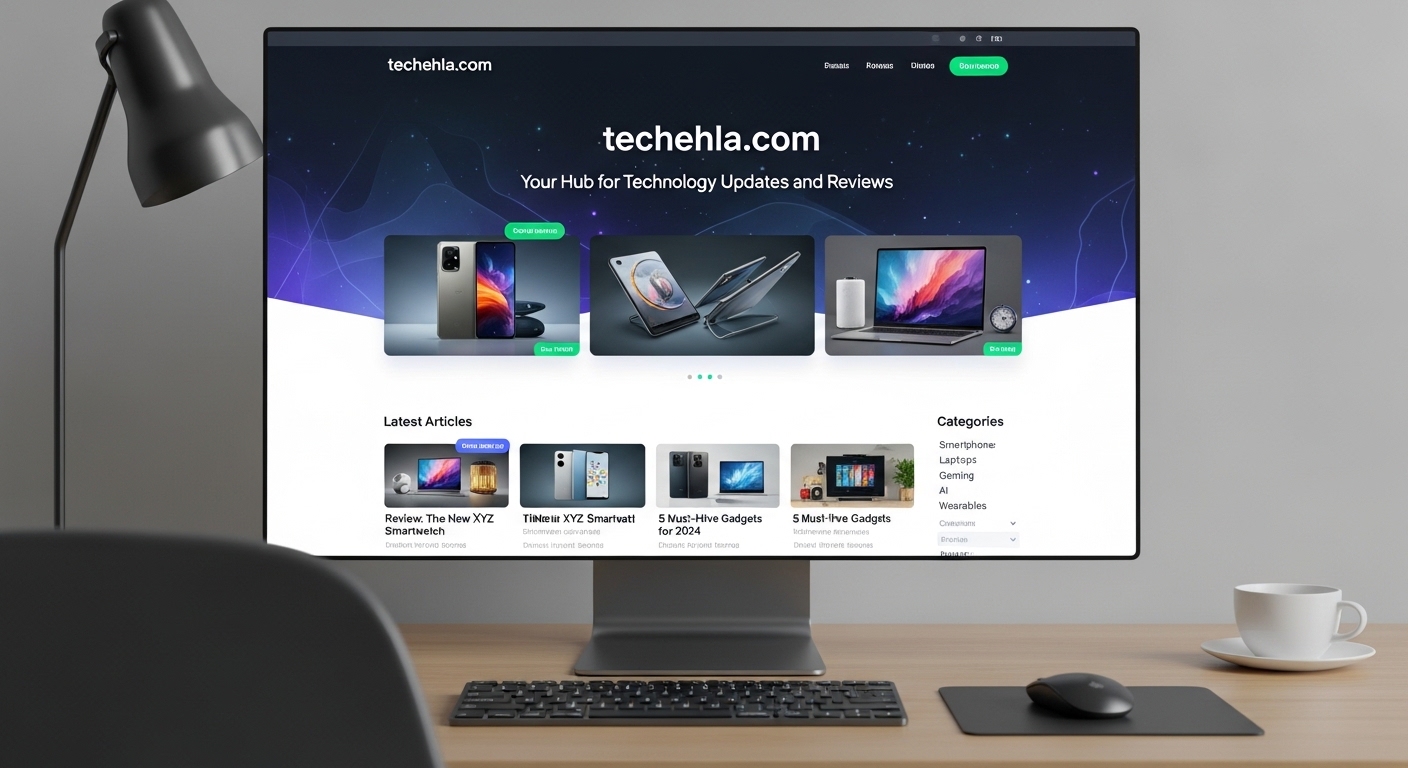
Techehla.com: Your Hub for Technology Updates and Reviews

Introduction
Techehla.com is typically presented as a tech-focused online platform that covers technology news, gadget reviews, software insights, and digital trends. Sites with this kind of branding usually aim to simplify complex tech topics for everyday readers while also offering updates on the latest innovations.
Whether it is a blog, content hub, or review site, the idea behind Techehla.com is centered on making technology information accessible, practical, and easy to understand.
What Is Techehla.com?
Techehla.com can be described as a technology information and review website concept that focuses on:
- Tech news and updates
- Product and gadget reviews
- Software and app insights
- How-to guides and tutorials
- Digital trends and innovations
In simple terms, it acts as a central hub for tech-related knowledge and updates.
Key Features of Techehla.com
1. Technology News Coverage
One of the main features is providing updates on:
- New smartphone launches
- Software updates
- AI and emerging technologies
- Tech industry trends
This helps users stay informed about the fast-changing digital world.
2. Product Reviews
Techehla-style platforms often publish reviews on:
- Mobile phones
- Laptops and computers
- Smart devices (wearables, home gadgets)
- Software tools and apps
Reviews usually focus on performance, usability, and value for money.
3. How-To Guides
Another important feature includes step-by-step tutorials such as:
- Setting up devices
- Using software tools
- Fixing common tech issues
- Optimizing system performance
These guides are designed for beginners and non-technical users.
4. Software and App Insights
Techehla.com may also cover:
- Productivity apps
- AI tools
- Security software
- Editing and design tools
This helps users choose the right tools for their needs.
5. Tech Comparisons
Comparison articles often include:
- Android vs iOS devices
- Laptop vs tablet performance
- Software tool alternatives
These comparisons help users make informed decisions.
Benefits of Techehla.com
1. Easy Access to Tech Knowledge
It simplifies complex topics so that even beginners can understand technology.
2. Time-Saving Information
Instead of searching multiple sources, users get summarized insights in one place.
3. Helps in Buying Decisions
Reviews and comparisons guide users before purchasing gadgets or software.
4. Keeps Users Updated
Regular updates help readers stay informed about new technologies and trends.
5. Beginner-Friendly Learning
Content is often structured in a way that is easy to follow, even for non-experts.
Why Tech Review Sites Like Techehla.com Are Popular
Platforms like Techehla.com gain popularity because:
- Technology is constantly evolving
- Users want trusted reviews before buying products
- People prefer simplified explanations
- Online learning and tech awareness are increasing
How to Evaluate Tech Websites Safely
If you are using any tech review site, consider:
- Checking credibility of sources
- Comparing reviews with other platforms
- Looking for real user feedback
- Avoiding exaggerated claims
This ensures you make reliable and informed decisions.
Final Thoughts
Techehla.com represents a modern tech information hub concept focused on delivering updates, reviews, and guides in a simple and accessible way. Whether it is real or emerging as a digital content platform, its purpose aligns with the growing demand for clear, practical, and updated technology knowledge.
FAQ’s
What is Techehla.com?
It is a tech-focused platform concept offering news, reviews, and digital guides.
Is Techehla.com a real tech news website?
It is generally presented as a tech content hub, though availability and structure may vary.
What type of content does it provide?
Tech news, product reviews, software insights, and tutorials.
Is it useful for beginners?
Yes, it is designed to simplify complex technology topics.
Can I trust tech review sites like Techehla.com?
They can be useful, but it’s always best to compare information with multiple sources.
Introduction
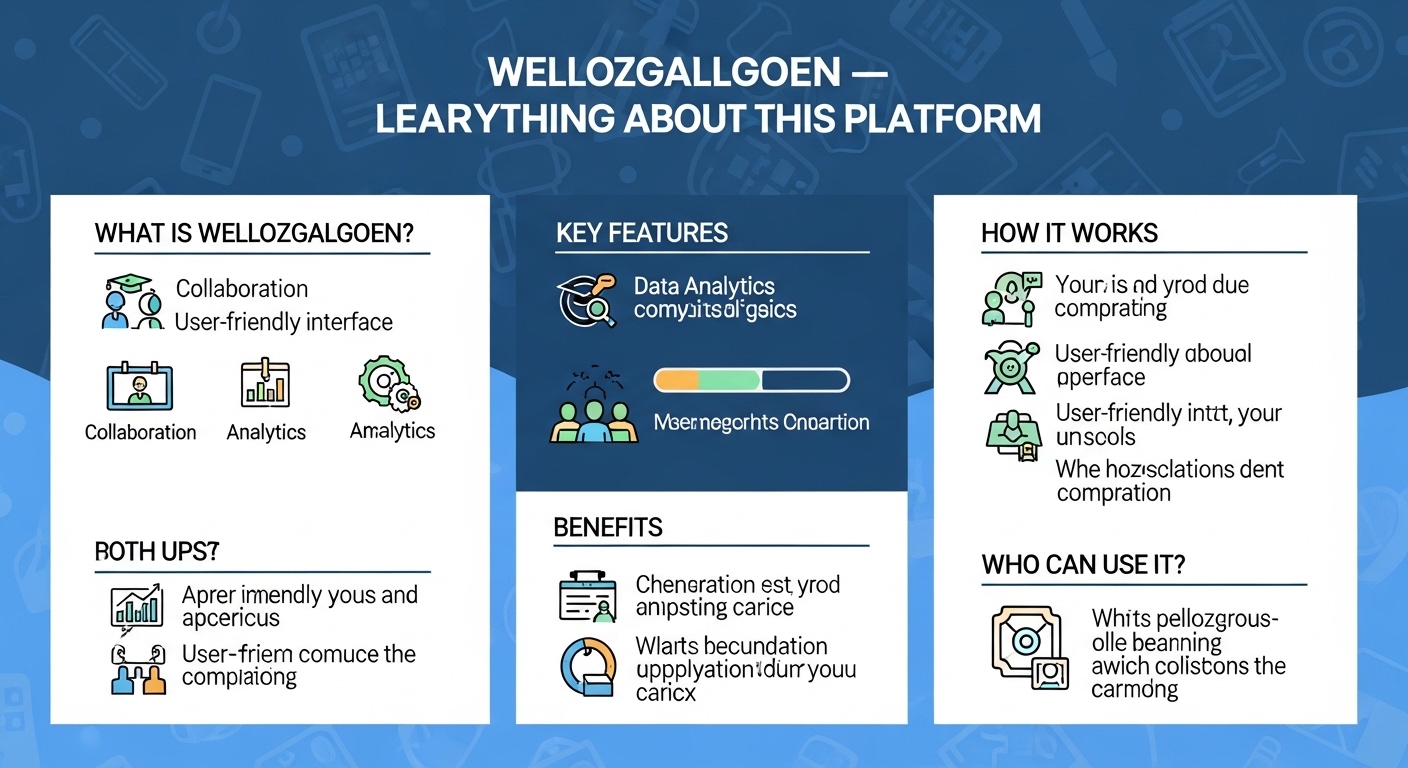
Wellozgalgoen is an unusual and uncommon term that appears like a platform name, but there is no verified or widely recognized software, company, or digital service officially associated with it. Instead, it is best understood as a synthetic or emerging digital keyword that resembles a platform-style branding name.
Because of its structure, it often appears in discussions around SEO experiments, digital identity concepts, or placeholder platform naming.
What Is Wellozgalgoen?
Wellozgalgoen can be described as:
- A fictional or placeholder platform name
- A SEO-generated or experimental keyword
- A digital identity-style term used in content testing
- A name that mimics SaaS or tech platform branding
In simple terms, it is a constructed name that looks like a platform but has no confirmed real-world system behind it.
Why Names Like Wellozgalgoen Exist
1. SEO and Content Testing
Marketers and content creators sometimes use unique terms like this to:
- Test how search engines index new keywords
- Analyze ranking behavior without competition
- Track visibility of fresh content
Because the keyword is unique, it becomes useful for controlled SEO experiments.
2. Placeholder Branding
Developers and creators often invent names like Wellozgalgoen when:
- Building mockups or prototypes
- Designing UI/UX concepts
- Testing product naming ideas
It acts as a temporary brand identity before real naming decisions.
3. Database or System Simulation
In technical environments, random platform-like names may be used for:
- Dummy data
- System simulations
- API testing environments
4. Digital Trend Formation
Sometimes, unusual names become semi-trending due to:
- Curiosity searches
- Blog content repetition
- Algorithm-driven indexing
This can make them appear more “real” than they actually are.
Key Features (Conceptual Interpretation)
Since Wellozgalgoen is not an official platform, its “features” are hypothetical based on how such names are typically structured.
1. Platform-Like Branding
- Sounds like a SaaS or tech service
- Structured like modern digital product names
2. High Uniqueness
- No known duplicates in major systems
- Ideal for branding experiments
3. SEO Flexibility
- No competition in search engines
- Easy to rank content using the keyword
4. Adaptability
- Could theoretically be used for any digital product
- Suitable for apps, tools, or services if ever developed
Possible Interpretations
People may interpret Wellozgalgoen in different ways:
1. Future Tech Platform
It could sound like:
- A cloud service
- A software platform
- A digital productivity tool
2. Experimental Project Name
Used in:
- Internal development
- Startup idea testing
- Concept demonstrations
3. SEO Placeholder Term
Used purely for:
- Ranking experiments
- Content indexing tests
- Keyword tracking
Is Wellozgalgoen a Real Platform?
No. There is:
- ❌ No verified software or app
- ❌ No official company or service
- ❌ No documented product functionality
It exists only as a constructed or conceptual keyword.
Is It Safe?
Yes, the term itself is harmless.
However, caution is needed if it appears in:
- Unknown download links
- Suspicious websites claiming “access”
- Fake apps using the name
The risk lies in misuse, not the word itself.
Why It Feels Like a Real Platform
Wellozgalgoen sounds convincing because:
- It follows modern tech naming patterns
- It resembles SaaS platform branding
- It appears structured and complex
- It fits digital product naming trends
This makes it feel legitimate even when it is not.
Final Thoughts
Wellozgalgoen is not a real platform—it is a synthetic, platform-like keyword used in SEO, branding experiments, or conceptual digital naming.
Its importance comes from how it demonstrates:
- Modern naming trends in tech
- The power of SEO-driven curiosity
- How easily digital identities can be created
In today’s internet ecosystem, even invented names can appear meaningful when repeated and indexed online.
FAQ’s
What is Wellozgalgoen?
It is a synthetic or placeholder platform-style keyword with no confirmed real-world service behind it.
Is Wellozgalgoen a real app?
No, there is no verified app or software with this name.
Why does it look like a tech platform?
Because it is structured to resemble modern SaaS or digital product naming conventions.
Is it used in SEO?
Yes, such unique terms are often used in SEO testing and experiments.
Is Wellozgalgoen safe?
The term itself is safe, but always be cautious of unknown links using it.
Overview
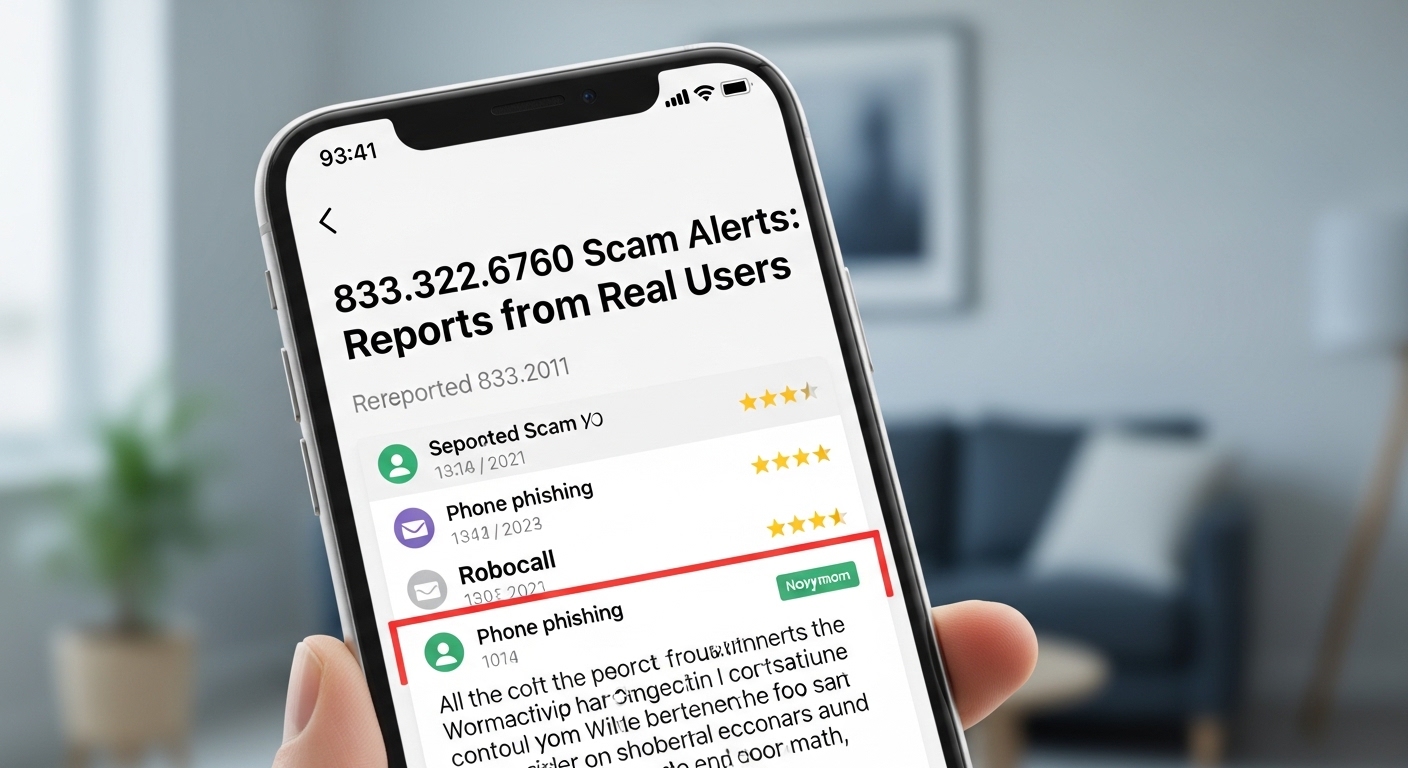
If you’ve been getting calls from 833.322.6760, you’re not alone. Many people report repeated calls, vague voicemail messages, and high-pressure scripts that try to extract personal or financial information. In this guide, I’ll break down the most common patterns associated with this number, how to recognize red flags quickly, and practical steps to protect yourself and report the behavior. I’ll also share a sensible response playbook you can follow when any unknown number rings—because the number may change, but the tactics often don’t.
What Is 833.322.6760?
Toll-free numbers using the 833 prefix are commonly used by legitimate businesses, nonprofits, and government hotlines. However, scammers also exploit toll-free ranges because they can cycle numbers easily and mask their identity. Reports around 833.322.6760 suggest behavior consistent with lead-generation robocalls and debt- or account-related phishing attempts. While a single number can be spoofed (faked caller ID), the patterns and scripts tend to be similar across many such campaigns.
Why This Number Appears Frequently
- Call centers can automate large call volumes and rotate through regional time zones
- Spoofing technology allows callers to reuse or imitate the same number across campaigns
- Public data breaches and data brokers fuel targeted lists that keep phones ringing
Common Call Patterns and Scripts
“Urgent Account Issue” or “Suspicious Activity”
Callers claim there’s a lock, hold, or unusual activity on your bank, credit card, or e-commerce account. They’ll push you to “verify” details—full name, date of birth, card digits, or one-time codes. Legitimate institutions rarely demand sensitive details via inbound calls and always support secure callbacks via official channels.
“Debt or Collection Notice”
You might hear that you owe a past-due balance, face legal action, or must settle immediately to avoid escalation. High-pressure tactics, threats, or refusal to provide written validation are hallmark signs of scams. If it’s a real collection effort, you have rights under the Fair Debt Collection Practices Act (FDCPA) in the U.S., including the right to request written verification.
“Warranty and Benefits Upsells”
These scripts push extended auto warranties, medical benefit cards, or home-protection plans. The offer sounds time-limited and urgent. If asked to pay upfront or to share banking info to “activate benefits,” hang up and research independently.
“Tech Support or Device Compromise”
Sometimes the caller says your computer or phone is infected and needs immediate remote access or a service fee. Real vendors don’t call out of the blue to fix your device; tech-support scams rely on fear and fast compliance.
Red Flags to Spot Instantly
- Requests for personal data: SSN, full DOB, full card numbers, or one-time passcodes
- Payment demands via gift cards, crypto, or wire transfer
- Refusal to identify the company or provide a verifiable callback number
- Caller ID mismatch with the claimed organization
- Threats (arrest, lawsuits, account closure) or extreme urgency
- Poor audio quality, background call-center chatter, or scripted responses
How to Respond Safely
Step 1: Don’t Engage With Sensitive Info
Never share personal or financial details with an unsolicited caller. If the claim sounds plausible, end the call politely and use an official number (from a bank card, website you typed directly, or your account app) to verify.
Step 2: Block and Filter
- Use your phone’s built-in block and spam-label features
- Enable carrier-level spam filtering (most major carriers offer this)
- Consider reputable third-party call-screening apps that crowdsource reports
Step 3: Document and Report
- Save the date/time, the number displayed, and any requested information
- File a report with the FTC (U.S.) or your country’s consumer protection agency
- If threats or impersonation of government agencies occur, report to appropriate authorities
- Inform your bank or credit card issuer if you shared any details by mistake
Step 4: Guard Your Accounts
- Change passwords and enable multi-factor authentication (MFA) on critical accounts
- Review recent transactions and set up real-time alerts
- Consider a credit freeze or fraud alert with major bureaus if sensitive info was exposed
Verification Tactics That Work
Call Back Using Official Channels
If the caller claims to represent your bank or a familiar service, hang up and dial a number you trust—printed on your card, statement, or the organization’s website (not a link sent by text or email). A legitimate agent can confirm whether contact was attempted.
Ask for Written Validation
For any debt-related call, request written validation via mail. Real collectors are legally required to provide this. Refusal or pushback signals a likely scam.
Control the Pace
Scammers rely on panic. Slow the conversation, insist on details, and take notes. If the caller becomes aggressive, that’s your cue to disconnect.
What If You Already Shared Information?
- Financial data (card, bank): Contact your bank immediately, lock or replace the card, and dispute any unauthorized charges
- Account credentials: Change passwords and revoke any active sessions; turn on MFA
- SSN or sensitive ID: Consider a credit freeze, monitor reports, and watch for new-account alerts
- Remote access granted: Disconnect the device from the internet, run reputable security scans, and consider a professional checkup
Why These Calls Persist
Economics of Robocalling
It’s cheap to dial thousands of numbers per minute. Even a tiny success rate can be profitable, which keeps bad actors in business.
Data Availability
Large-scale breaches and public data trades fuel targeted lists. Attackers can personalize scripts just enough to sound believable.
Enforcement Challenges
International operations, spoofing tactics, and fast-moving campaigns make enforcement difficult. Still, reporting helps investigators map patterns and shut down infrastructure.
Building a Personal Defense Plan
Harden Your Personal Info
- Use unique, strong passwords and a password manager
- Enable MFA wherever possible
- Limit the personal details you share publicly
Train Your Reflexes
- Let unknown calls go to voicemail
- Treat urgency as a red flag
- Verify through official channels, not the number that called you
Keep Family in the Loop
- Share these tactics with family members, especially teens and older adults
- Create a household “verification code” for money or help requests
- Encourage a callback rule: hang up and call back using verified numbers
Frequently Asked Questions
Is 833.322.6760 always a scam?
No single number is inherently always a scam, especially with spoofing in play. What matters are the behaviors. Use the verification steps and never rely solely on caller ID.
Can I stop these calls completely?
You can reduce them significantly with carrier filters, blocklists, and call-screening apps, but total elimination is unlikely. Consistent blocking and reporting help over time.
Should I call back the number?
It’s safer to avoid calling back unknown numbers. If the message claims to be from a known institution, call that institution directly using an official number you locate yourself.
The Bottom Line
Unwanted calls from numbers like 833.322.6760 thrive on pressure and confusion. By recognizing common scripts, slowing down the interaction, and verifying through trusted channels, you flip the script. Protect your information, report suspicious activity, and keep your accounts locked down. A calm, methodical response is your best defense.
Overview
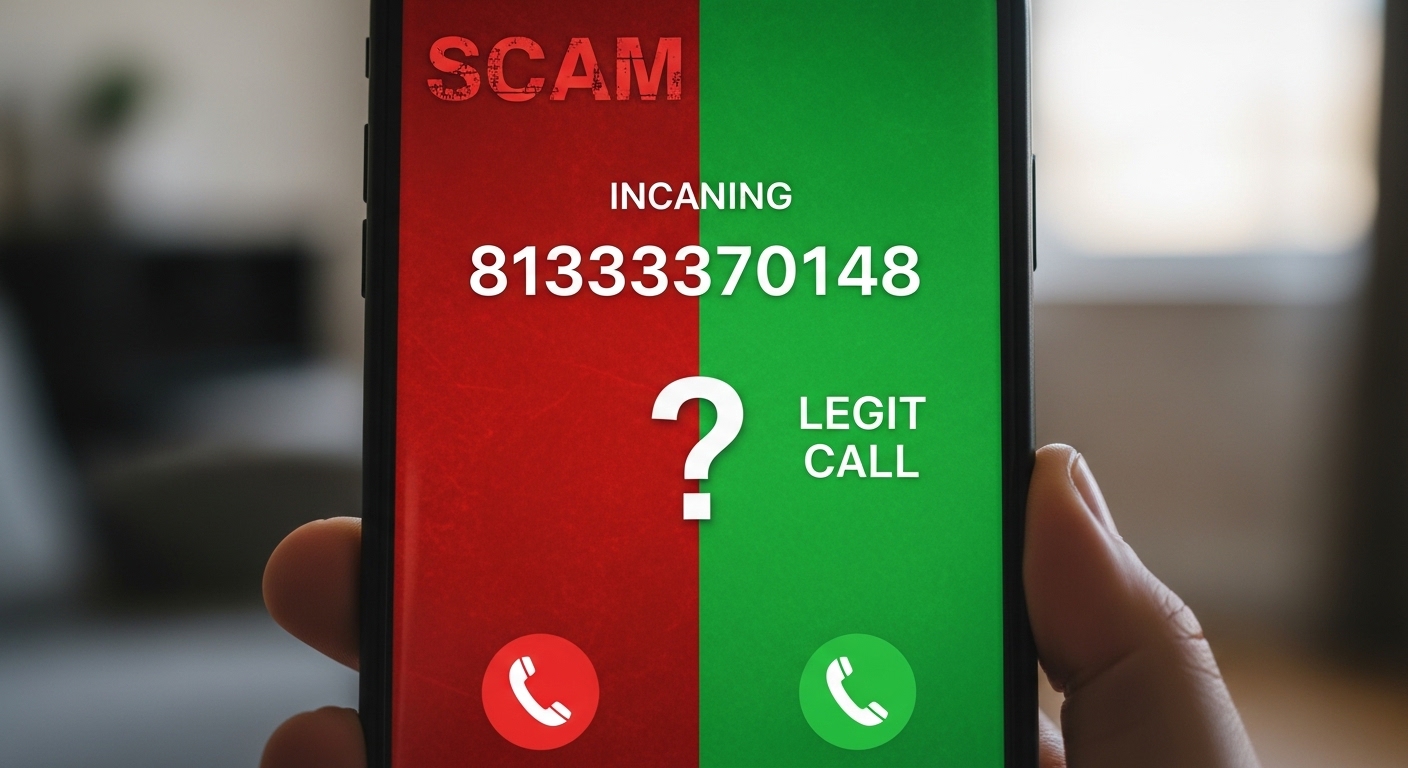
If you’ve spotted 8133370148 on your caller ID, you’re not alone. Unknown phone numbers can spark anxiety—Is it urgent? Is it a scam? Or is it a legitimate business trying to reach you? In this guide, I’ll walk you through everything I’d check to assess whether 8133370148 is trustworthy, how to handle similar calls safely, and what to do if you’ve already engaged.
What We Know About 8133370148
- Area code 813 is assigned to the Tampa, Florida region and surrounding areas.
- Scammers often spoof local area codes to increase pickup rates, so a familiar code isn’t proof of legitimacy.
- Reports about particular numbers can fluctuate; one week a number is quiet, the next it’s hitting dozens of people.
I can’t confirm the specific identity of this caller without fresh, verifiable reports, but you can use the steps below to figure out if the call was legitimate for your situation.
Quick Checklist: Scam or Legit?
Use this rapid test whenever 8133370148—or any unknown caller—rings your phone:
- Caller identity: Did the caller introduce themselves clearly (full name, company, department)?
- Purpose: Did they state a specific reason for calling you—not just a generic “about your account” line?
- Verification: Did they know verifiable details you have previously provided (last 4 digits, prior ticket number) without asking for sensitive info first?
- Pressure: Did they create urgency (“act now,” “limited time”) or threaten consequences (lawsuit, arrest, service cutoff)?
- Payment methods: Did they ask for gift cards, crypto, wire transfers, or payment via unusual apps?
- Callback path: Can you hang up and call the official published number of the organization to confirm?
If two or more red flags pop up, treat the call as suspicious and end it.
Common Scam Patterns Tied to Unknown Numbers
- “Account problem” bait: Claims your bank, Amazon, or phone carrier account is locked. They’ll ask for one-time codes or passwords.
- “Government” threats: Robocalls pretending to be the IRS, Social Security, or immigration officials demanding immediate payment.
- Delivery scams: Texts or calls saying there’s a package issue with a link to “reschedule.”
- Tech support traps: Pop-up or call alleging a virus on your device and urging remote access.
- Prize/lottery pitches: You “won,” but must pay taxes or fees first.
- Debt/utility shutoff: Threatening to disconnect power or service unless you pay now.
These tactics rely on urgency and fear. Legitimate organizations rarely demand instant action over the phone.
How to Investigate 8133370148 Safely
- Don’t engage on the first call.
- Let it go to voicemail; legitimate callers often leave a detailed message.
- If you answer, avoid confirming personal details—your full name, address, or account info.
- Cross-check the number.
- Search the number on reputable call-reporting sites to see recent feedback.
- Check the official website of the claimed organization for contact details. Call them back using that official number, not the caller’s number.
- Review the message content.
- Real businesses cite specific info (ticket numbers, appointment dates). Scammers stay vague.
- Watch for grammar errors, robotic voice patterns, and mismatched accents.
- Validate through alternate channels.
- For banks/utilities, log into your official app or portal to see if there’s a corresponding notice.
- For deliveries, enter your tracking number directly on the carrier site.
- Inspect timing and frequency.
- Multiple short calls in a row, hang-ups, or calls outside business hours increase suspicion.
What to Do If You Already Interacted
- Stop and assess: Write down what you shared (codes, login, SSN, payment info) and when.
- Change passwords and enable MFA: Prioritize email, banking, cloud storage, and your mobile carrier account.
- Contact your bank/issuer: If you paid or shared card details, ask for a chargeback and new card numbers.
- Secure your phone number: Add a port-out PIN with your carrier to prevent SIM swapping.
- Monitor accounts: Set transaction and login alerts. Review statements for the next 90 days.
- Report the incident: File a complaint with the FTC (U.S.), your state attorney general, or local consumer protection agency. If identity data was exposed, consider a fraud alert or credit freeze with the major bureaus.
Blocking and Filtering Tips
- Use your smartphone’s built-in tools to block 8133370148 and similar numbers.
- Enable Silence Unknown Callers (iPhone) or similar features on Android.
- Turn on carrier-level spam filtering (e.g., AT&T ActiveArmor, Verizon Call Filter, T-Mobile Scam Shield).
- Install a reputable third-party call screening app that uses community reports.
When a Call Might Be Legit
Not every unfamiliar number is trouble. Situations where a call from 8133370148 could be legitimate include:
- Healthcare: Appointment confirmations or pharmacy calls
- Deliveries: Couriers verifying an address or access code
- Local services: Repair technicians or property managers
- Schools/daycare: Urgent notifications or schedule changes
- Job-related calls: Recruiters or HR verifying interview times
Even then, it’s smart to verify via an official channel before sharing information.
Best Practices for Ongoing Protection
- Share less publicly: Limit what you post on social media that can be used for pretexting.
- Use unique passwords and a password manager: Avoid password reuse.
- Turn on MFA everywhere possible: Prefer app-based authenticators over SMS when you can.
- Keep devices updated: OS and app updates patch security flaws.
- Educate family members: Especially teens and seniors who are frequent targets.
Sample Script: How I Respond
- Unknown caller: “Hi, we’re calling about your account.”
- Me: “Thanks. I don’t handle account matters over inbound calls. I’ll reach the company through the number on their website.”
If they protest, I repeat once and hang up. Simple and effective.
The Bottom Line
8133370148 could be a legitimate local call—or a spoofed, unsolicited attempt to capture your information. Because the risk is asymmetrical (a brief delay rarely harms you, but a rushed decision can), default to caution: let it go to voicemail, verify independently, and protect your accounts first. If anything feels off, trust your instincts and disengage.
-
 TECH1 month ago
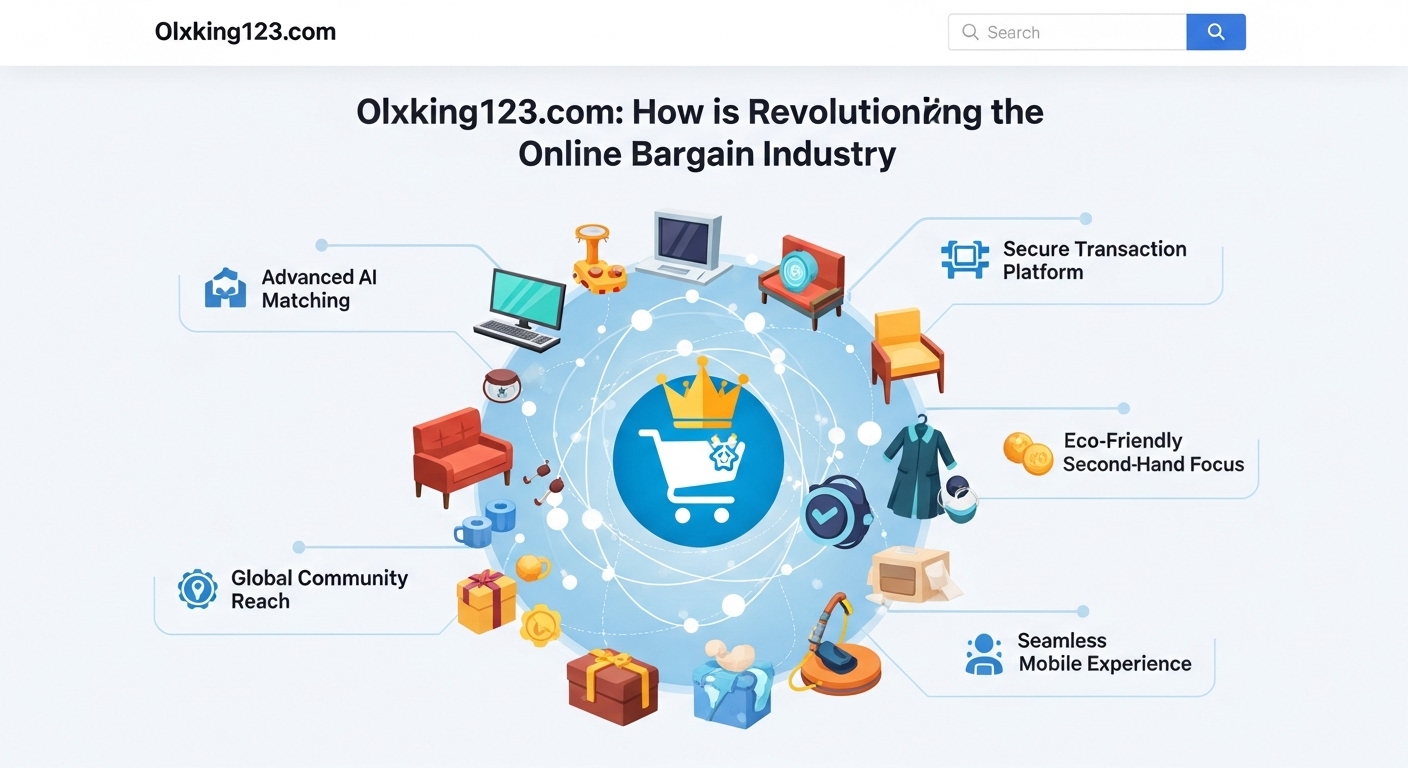
Olxking123.com: How is Revolutionizing the Online Bargain Industry
-
 BLOG1 month ago
Onulife: Your Ultimate Guide to a Healthier & Balanced Lifestyle
-
 BLOG1 month ago
Exploring Gooics: Features, Benefits, and How It Works Now
-

 HOME1 month ago
TopHillSport.com: A Growing Hub for Sports Enthusiasts
-

 TECH1 month ago
Deshoptec.com: The Ultimate Marketplace for Cutting-Edge Tech
-

 BLOG1 month ago
Why Runlia is the Next Big Thing in Online Communities
-

 BLOG1 month ago
ChromiumFX: Advanced Analytics and AI for Smart Systems
-

 BLOG1 month ago
Cintia Coció: The Ultimate Guide to Her Modern Culinary World